
Curating "The Way We Live Now" in Seoul
In the intricate world of contemporary art, exhibitions are more than mere displays of artwork—they are conversations.

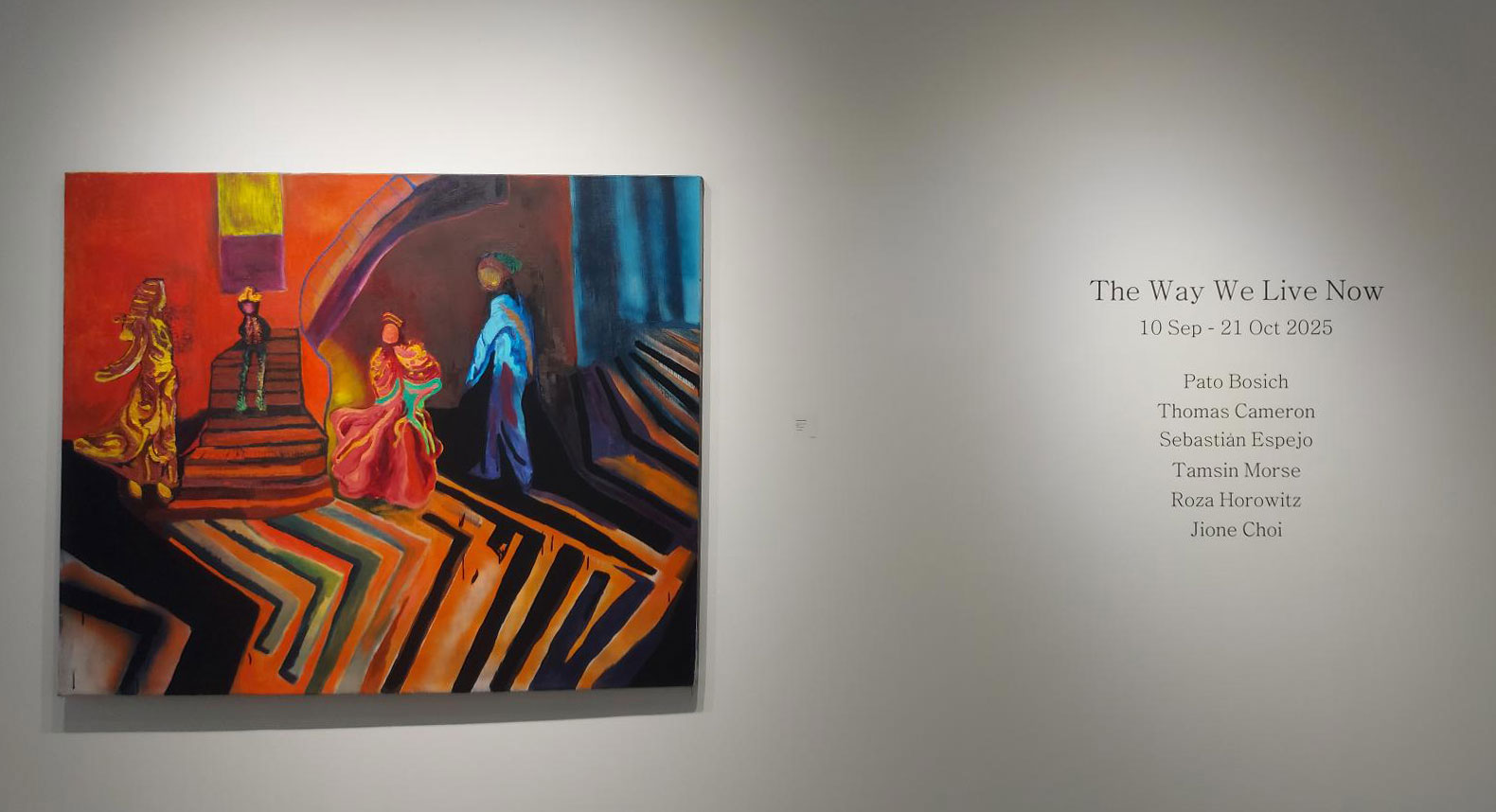
My recent curatorial project, "The Way We Live Now," emerged from this philosophy, bringing together a carefully selected group of British contemporary artists to engage with Seoul's dynamic art scene.
The exhibition was born from a deep-seated belief in art's power to transcend geographical and cultural boundaries. As someone who has navigated multiple professional landscapes—from management consulting to art advisory—I've learned that the most profound connections often happen in unexpected intersections.
Selecting the artists was a meticulous process. I sought works that spoke to universal human experiences while maintaining a distinctly British contemporary perspective. The chosen pieces explored themes of identity, urbanisation, environmental change, and personal narrative—topics that resonate across cultural divides and that offered nuanced perspectives that intrigued Korean collectors and critics alike.
The logistics of mounting an international exhibition are far more complex than most realise. It's a delicate dance of cultural diplomacy, artistic integrity, and practical problem-solving. Working closely with Sun Gallery in Seoul, we navigated the intricate process of shipping delicate artworks, managing international insurance, and creating contextual materials that would bridge the cultural gap.
One of the most fascinating aspects of the exhibition was observing how Korean audiences interpreted the works. Art, after all, is a form of communication that transcends language. I was particularly struck by the discussions that emerged—how a piece about urban isolation in London could resonate so deeply with Seoul's own metropolitan experience, or how environmental themes spoke to a global consciousness that knows no borders.
This project was more than a curatorial exercise—it was a testament to the power of cultural bridge-building. My background in international consulting and my deep connections across UK, Korean, and German art markets proved invaluable. Each artwork became a conversation, each installation a dialogue between cultures.
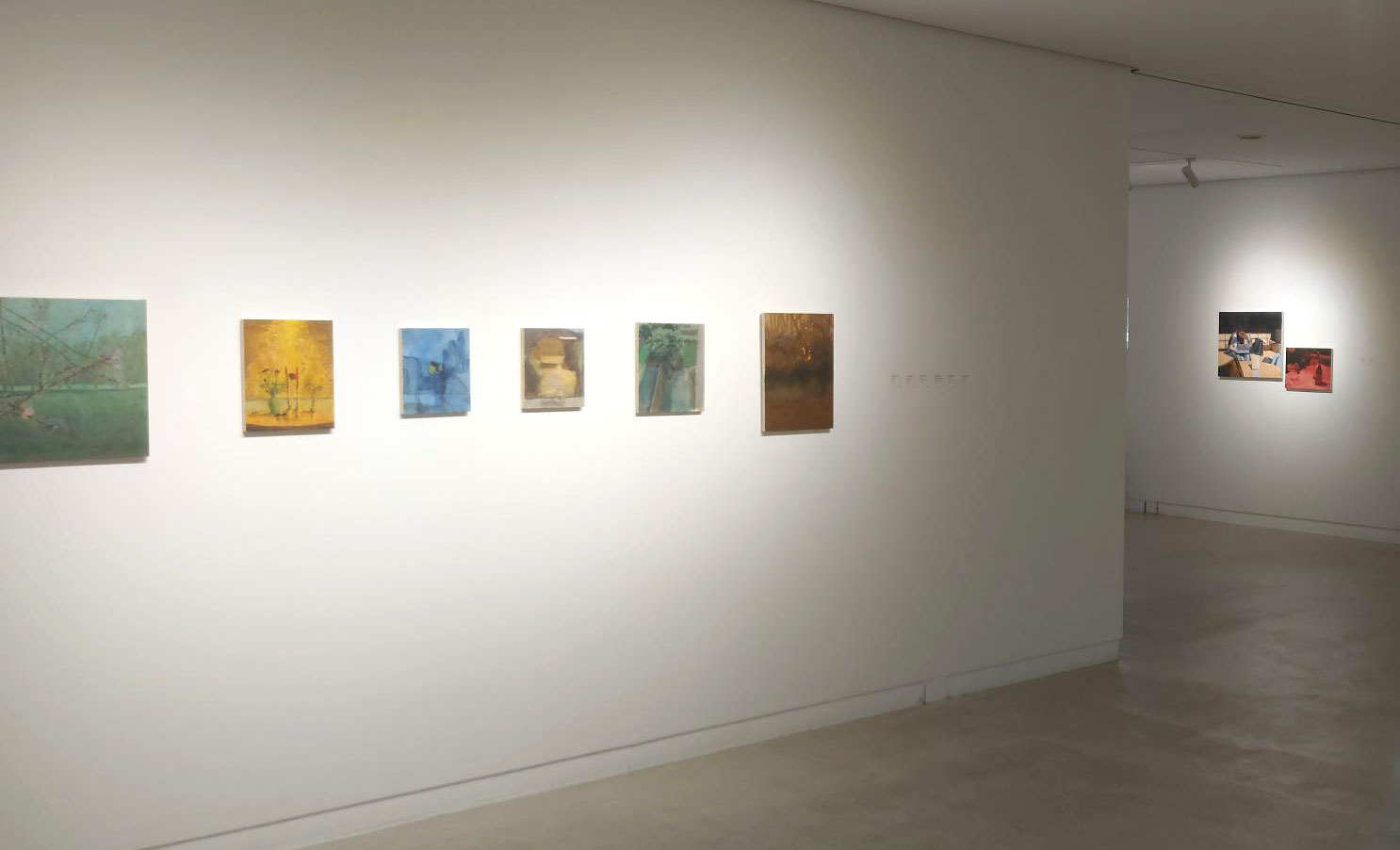
For emerging collectors and art enthusiasts, such exhibitions offer more than visual pleasure. They provide insights into global artistic conversations, challenging viewers to see beyond their immediate cultural context. The art world is increasingly global, and projects like "The Way We Live Now" demonstrate the rich potential of cross-cultural artistic exchange.
As I continue to develop McCaslin Art Advisory, this exhibition remains a pivotal moment—a reminder that art is not just about objects, but about connection, understanding, and the complex ways we interpret our shared human experience.